Living with mold in a rental property is more than just an eyesore. It can trigger asthma, aggravate allergies, and cause lingering headaches that make you question whether your home is safe. I have dealt with mold in two different apartments over the years, and each time I learned something new about what renters can and cannot do on their own. The rules vary by lease agreement and local code, but there are consistent steps that work whether you are in Boston or a smaller city nearby.
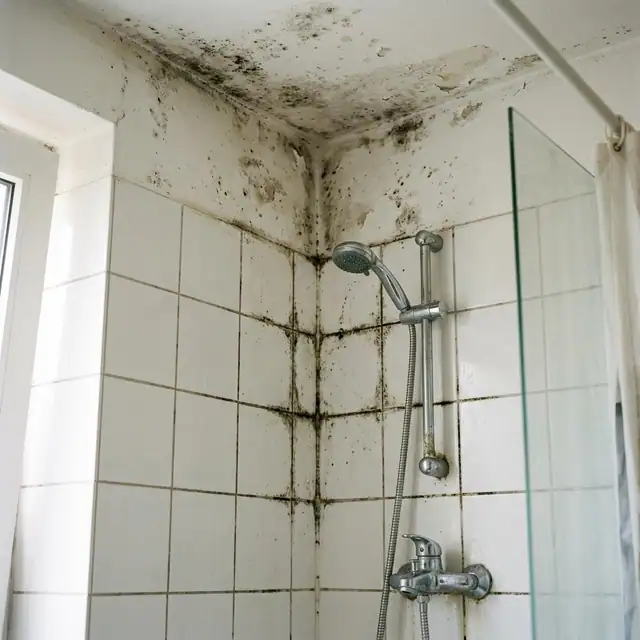
Mold removal for renters is not just about scrubbing a wall. It involves knowing when to call your landlord, when to bring in a professional, and when to handle a small spot yourself. The first thing to understand is that not all mold is the same, and not every situation requires a mold removal company. A patch of mildew in the bathroom is different from black mold spreading behind a baseboard after a slow pipe leak. The size of the problem and the cause of the moisture determine what you should do next.
Know Your Tenant Rights and Your Lease Agreement
Before you touch any moldy surface, check your lease agreement. Many standard leases include a clause about maintaining the property in a habitable condition, which typically means the landlord must address leaks, flooding, and excessive moisture. In Massachusetts, the State Sanitary Code requires landlords to keep rental units free from conditions that could harm your health, and mold is explicitly covered. The Boston Public Health Commission provides guidelines on mold, and local housing inspectors can issue orders for remediation if a landlord refuses to act.
Landlord liability is not automatic. You have to notify them in writing about the problem and give them a reasonable chance to fix it. I once had a landlord who ignored three phone calls about a musty smell in the bedroom, but after I sent a certified letter referencing the lease and the local health code, a contractor showed up within a week. Document everything: photos of the mold, copies of your written notice, and any responses you receive. This record matters if you need to involve housing court or a tenant advocacy group.
When to DIY and When to Call a Professional
Small areas of mold, roughly less than ten square feet, can often be cleaned by a tenant without professional help. The EPA recommends a simple solution of soap and water for non-porous surfaces, but many people reach for bleach. Bleach can kill mold on hard surfaces like tile or glass, but it is less effective on porous materials like drywall or wood. The bleach often only bleaches the stain while leaving the roots alive. For porous surfaces, a mixture of white vinegar and water works better because vinegar can penetrate the surface and kill the mold at the base. I have used a spray bottle with undiluted white vinegar on a bathroom ceiling, let it sit for an hour, and scrubbed with a stiff brush. It removed the spots without the harsh fumes of bleach.
If you try a stronger cleaner, always wear an N95 respirator. A dust mask does not block mold spores. An N95 respirator fits snugly over your nose and mouth and filters out the particles that trigger allergic reactions. Open a window or run a fan to create cross-ventilation. Avoid mixing bleach with vinegar or ammonia, as that creates toxic gas. For small jobs, a HEPA vacuum can help capture spores that become airborne during cleaning, but only use the vacuum after you have wiped the visible growth. Do not use a regular vacuum, as it will blow spores back into the air.
When the mold covers a larger area or is caused by a hidden leak inside a wall, you need a mold removal company. A professional will have a mold remediation certification, use commercial-grade equipment, and contain the work area to prevent spores from spreading to other rooms. They can also test the air for hidden contamination. A mold test kit from a hardware store can give you a rough idea of whether spores are present, but it is not as reliable as a lab analysis done by a pro. If you suspect the mold is toxic or if someone in the unit has asthma or a compromised immune system, skip the DIY and call a specialist.
Common Sources of Moisture in Rentals
Mold needs moisture, so finding the source is half the battle. In many older Boston apartments, crawl spaces and basements are notorious for dampness. A dirt-floor crawl space can wick moisture up through the foundation, and that damp air gets pulled into the living space through gaps around pipes and electrical conduits. An HVAC system that is not properly maintained can also spread mold spores throughout the ductwork. If the air handler has a dirty coil or a clogged drain pan, the system will push musty air into every room.
Other common sources include:
- Leaky pipes under sinks or behind appliances like dishwashers and refrigerators.
- Poor bathroom ventilation, especially in units without an exhaust fan.
- Condensation on cold windows and walls during winter.
- Roof leaks that drip into attic spaces or upper-floor ceilings.
If you find the source, tell your landlord in writing. You can also reduce indoor humidity on your own by using a dehumidifier. A dehumidifier in a damp basement or bedroom can pull pints of water from the air every day, making it harder for mold to grow. Empty the reservoir regularly, or run a hose to a drain if possible. Keep indoor humidity below 60 percent, ideally between 30 and 50 percent, as measured by a hygrometer.
Cleaning Products That Work
Not all mold cleaners are created equal. Besides white vinegar and soap, you can use borax. Borax is a natural mineral that kills mold and inhibits future growth. Mix one cup of borax with a gallon of hot water, scrub the area, and do not rinse it off completely. The residue creates a barrier that discourages new mold. It is safer than bleach and does not produce fumes that bother your lungs.
For painted walls, you might consider mold-resistant paint after you have cleaned and dried the surface. Brands like Microban are infused with antimicrobial agents that prevent mold from colonizing the paint film. This is not a cure for an active leak, but it can buy you time if the underlying moisture issue is slow to fix. Another product is Concrobium, which is a sodium carbonate-based cleaner that kills mold and leaves a polymer layer on the surface. It is effective on drywall and wood, and it does not bleach the color out of the material.
One caution: never use bleach on metal surfaces like air conditioning fins or electrical panels, as it can corrode the metal. Stick to a commercial coil cleaner or a simple vinegar solution for those spots.
Preventing Mold Between Professional Visits
Even after you have cleaned a spot, mold can return if the moisture problem is not fixed. Run a dehumidifier in the wettest areas, especially during humid summer months. Keep bathroom doors open after a shower and wipe down wet tiles with a squeegee. If your landlord allows it, install a timer on the bathroom exhaust fan so it runs for thirty minutes after you leave. In closets and corners where air does not move, leave a small gap between furniture and the wall so air can circulate.
If you have carpet in a damp area, consider asking your landlord to replace it with tile or vinyl. Carpet holds moisture and mold spores deep in the fibers, and cleaning it often does not remove the growth. A HEPA vacuum can help, but if the carpet stays wet for more than 48 hours, it will likely need to be thrown out.
When Your Landlord Refuses to Act
Some tenants face a landlord who denies the problem or delays repairs. If you have given written notice and the issue remains, you have several options. File a complaint with the Boston Public Health Commission or your local board of health. They can send an inspector who will cite the property and order the landlord to fix the leak and remove the mold. You can also withhold rent in some states, but only after following specific legal steps, so consult a tenant rights organization or an attorney before doing that.
OSHA does not directly regulate residential housing, but the agency does set standards for mold exposure in the workplace. If you work from home, you might raise the point that the mold affects your ability to do your job. This is a stretch, but it can sometimes push a reluctant landlord to act.
In the worst case, you may need to break your lease. Most leases allow early termination if the unit is uninhabitable, and mold can qualify as a health hazard. Again, get everything in writing and keep copies of your correspondence.
Final Thoughts on Mold Removal for Renters
Mold removal for renters requires a mix of practical cleaning skills and knowledge of your legal rights. You can handle small spots yourself with white vinegar, borax, and a good scrub. But you should never hesitate to escalate when the mold is large, hidden, or caused by a maintenance issue that only the landlord can fix. The goal is not just a clean wall, but a home that does not make you sick. Whether you use a HEPA vacuum, an N95 respirator, or a dehumidifier, each tool helps you regain control of your indoor environment. And if you suspect the mold is part of a bigger problem, call a mold removal company with a mold remediation certification to assess the situation. Your health and your peace of mind are worth the effort.